
"Bolivian Typica"
300 article(s) found

The main coffee producing areas in Bolivia introduce Bolivian coffee estates and Bolivian coffee beans.
Takesi Manor, drinking water and coffee after harvest treatment, using alpine melting cold snow landscape, so we give her a nickname: Takesi Snow vein Manor; in addition to low temperature, pollution-free environment, fertile and well-drained volcanic soil, is also an element of coffee flavor, although the owner of Agrotakesi SA is rich, but deep respect for nature and the way to get along, but

High quality Bolivian snow vein estate coffee beans flavor taste aroma characteristics Description
In the southwestern highlands of Ethiopia, the Kaffa, Sheka, Gera, Limu and Yayu Senli coffee ecosystems are considered home to Arabica coffee. These forest ecosystems are also home to a variety of medicinal plants, wildlife and endangered species. Western Highlands of Ethiopia

Bolivian coffee beans originated in the Yongas region northeast of La Paz.
Takesi Manor, drinking water and coffee after harvest treatment, using alpine melting cold snow landscape, so we give her a nickname: Takesi Snow vein Manor; in addition to low temperature, pollution-free environment, fertile and well-drained volcanic soil, is also an element of coffee flavor, although the owner of Agrotakesi SA is rich, but deep respect for nature and the way to get along, but

What are the characteristics of Bolivian snow vein manor coffee beans? how much is the snow vein manor coffee?
For the exchange of professional baristas, please pay attention to the coffee workshop (Wechat official account cafe_style) what are the characteristics of coffee beans in Xuemai Manor in Bolivia? how much is the coffee? the following is the basic information and cup test taste of this batch of champion beans: the following information is the Osher Cup test report and the official website of CoE: country: Bolivia, Bolivia production area: Yungas of La Paz line

Bolivian coffee boutique coffee flavor taste the characteristics of manor producing areas introduce the types of Bolivian coffee
Arabica coffee cannot be grown in cold places above 2000 meters above sea level. if the altitude is too high, coffee trees will frost because the temperature is too low. So Bolivian coffee is mainly grown in the Yungas region northeast of La Paz. It borders the Amazon basin and is about 1500-2500 meters above sea level with an average annual temperature of about 10-15 ℃. Therefore, it ensures the growth of coffee.

Taste and Flavor characteristics of Bolivian Coffee introduction to Bolivian Coffee
Bolivia's high-quality estates, very high altitude, perennial low temperature environment, so that coffee fruit growth is slow, tight enough, aroma is also charming, floral aroma is obvious, such as careful handling, cherries with the same maturity, often have a clean and meticulous high-end taste, this elegant vanilla and honey aromas are very attractive, this champion bean has a variety of floral aromas, vanilla and sweet very long-lasting. To

Bolivian Coffee Bean Farm Features Bolivian Coffee Producing Area Introduction Snow Vein Farm
Takesi Manor, drinking water and coffee after harvest treatment method, using the cold snow mountain water melted by the mountains, so we give her a nickname: Takesi Snow Vein Manor; In addition to low temperature, pollution-free environment, fertile and well-drained volcanic soil, but also the coffee flavor is full of elements, Agrotakesi SA group owner although rich, but deep respect for nature and peaceful way, but

Bolivian coffee flavor Bolivian coffee characteristics Bolivian coffee taste
Bolivia is a landlocked country in central South America, bounded by Brazil in the northeast, Paraguay in the southeast, Argentina in the south, Chile in the southwest and Peru in the west. The main topography is the plateau. Bolivia is the highest plateau country in the world, with an average elevation of more than 3000 meters. La Paz, the capital, is as high as 3660 meters above sea level, which is known as the highest capital in the world. Three points in Bolivia

Aroma rich and unique Bolivian coffee varieties Flavor taste Manor introduction
Early Bolivian coffee was of poor quality and poorly marketed. The coffee cherries are usually picked and then simply peeled and sent all the way to the processing plant. Due to inadequate infrastructure, transportation is underdeveloped. Coffee farmers have to overcome rugged mountain roads to transport beans to higher altitudes in La Paz for washing. If coffee is not delivered in time,

Introduction of Bolivian coffee producing areas with excellent coffee varieties
Arabica coffee cannot be grown in cold places above 2000 meters above sea level. if the altitude is too high, coffee trees will frost because the temperature is too low. So Bolivian coffee is mainly grown in the Yungas region northeast of La Paz. It borders the Amazon basin and is about 1500-2500 meters above sea level with an average annual temperature of about 10-15 ℃. Therefore, it ensures the growth of coffee.

High quality and sour Bolivian coffee beans introduce boutique coffee
Arabica coffee cannot be grown in cold places above 2000 meters above sea level. if the altitude is too high, coffee trees will frost because the temperature is too low. So Bolivian coffee is mainly grown in the Yungas region northeast of La Paz. It borders the Amazon basin and is about 1500-2500 meters above sea level with an average annual temperature of about 10-15 ℃. Therefore, it ensures the growth of coffee.

The Bolivian coffee producing area of Tibica, which produces excellent coffee varieties.
Arabica coffee cannot be grown in cold places above 2000 meters above sea level. if the altitude is too high, coffee trees will frost because the temperature is too low. So Bolivian coffee is mainly grown in the Yungas region northeast of La Paz. It borders the Amazon basin and is about 1500-2500 meters above sea level with an average annual temperature of about 10-15 ℃. Therefore, it ensures the growth of coffee.

Bolivian Coffee Coffee Taste, Bolivian Coffee Taste, Bolivian Coffee Coffee, tomorrow's Coffee Coffee
Professional coffee knowledge exchange more coffee bean information please follow the front street of the coffee workshop (Wechat official account cafe_style)-tomorrow Pacific Plan Bolivia is one of the most prestigious countries in Latin America, a domestic country, adjacent to Brazil and Colombia. Of course, it is a country with a strong export of coffee, but its output is relatively scarce.

The Bolivian Coffee Manor in a perennial low temperature environment introduces the raw beans of Bolivian coffee
Bolivia's high-quality estates, very high altitude, perennial low temperature environment, so that coffee fruit growth is slow, tight enough, aroma is also charming, floral aroma is obvious, such as careful handling, cherries with the same maturity, often have a clean and meticulous high-end taste, this elegant vanilla and honey aromas are very attractive, this champion bean has a variety of floral aromas, vanilla and sweet very long-lasting. Whole
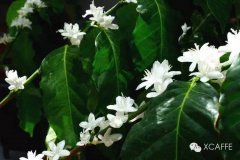
Bolivia, located near Brazil, the largest coffee producer in South America, is still an underrepresented country.
Bolivia, located near Brazil, South America's largest coffee producer, is still a place unknown to many coffee lovers. But the country is famous for producing high-quality coffee and has good conditions for coffee cultivation and production as well as Brazil. Bolivian raw beans are large and uniform in size, and the green ones are high-quality raw beans. The majority of Bolivian coffee varieties are Cadura.

Bolivian Coffee Snow vein Manor Flavor Taste introduces the characteristics of Bolivian coffee beans
Bolivia's high-quality estates, very high altitude, perennial low temperature environment, so that coffee fruit growth is slow, tight enough, aroma is also charming, floral aroma is obvious, such as careful handling, cherries with the same maturity, often have a clean and meticulous high-end taste, this elegant vanilla and honey aromas are very attractive, this champion bean has a variety of floral aromas, vanilla and sweet very long-lasting. To

Bolivian Snow Veins Manor Coffee Flavor Description Grindness Characteristics Variety Producing Area Price Taste Introduction
We know that Arabica coffee cannot be grown at altitudes higher than 2000 meters, and if the altitude is too high, the coffee trees will freeze due to the low temperature. Bolivian coffee is mainly grown in the Yungas region northeast of La Paz. Bordering the Amazon River basin, it is about 1500-2500 meters above sea level and has an average annual temperature of about 10-15 ° C. Therefore guarantee

Introduction of Bolivian Coffee Flavor and Fine Coffee Bean Manor
Bolivia's high-quality estates, very high altitude, perennial low temperature environment, so that coffee fruit growth is slow, tight enough, aroma is also charming, floral aroma is obvious, such as careful handling, cherries with the same maturity, often have a clean and meticulous high-end taste, this elegant vanilla and honey aromas are very attractive, this champion bean has a variety of floral aromas, vanilla and sweet very long-lasting. To

Introduction to the flavor and taste of Bolivian Coffee Manor Xuemai Manor
Bolivian coffee market: coffee grown in Bolivia, in which Arab washed coffee beans are exported to Germany and Sweden, taste not the best today, and have a bitter taste. I remember that the admirable champion bean in 2007 was the coffee flower estate, but her score was overtaken by the 2008 champion Caf de Cordillera, when the international judges gave it a high score of 92.03 and Tak in 2009.

Bolivian Coffee producing areas introduce Fine Coffee beans Flavor taste Bolivian Coffee beans
Takesi Manor, drinking water and coffee after harvest treatment, using alpine melting cold snow landscape, so we give her a nickname: Takesi Snow vein Manor; in addition to low temperature, pollution-free environment, fertile and well-drained volcanic soil, is also an element of coffee flavor, although the owner of Agrotakesi SA is rich, but deep respect for nature and the way to get along, but